

SHSAT 2026 Changes Explained: What the New Format Means for NYC Students and Families
The SHSAT 2026 changes introduce a computer adaptive format, new tech-enabled questions, and updated ELA and math expectations. Here’s what families need to know about the SHSAT exam update and how to adjust SHSAT prep 2026 for success.

Cover Photo by Gül Işık
If your child is preparing for the SHSAT in 2026, you’re probably hearing a lot of mixed messages. Is the test harder? Is it completely different? Should students start earlier? The truth is, the SHSAT 2026 changes are significant, but manageable when families understand exactly what’s happening.
As of the 2025-26 admissions season, the SHSAT is a digital exam. However, starting this admission season (2026-27), the test features an item-level adaptive format. That sounds technical, but once you break it down, the adjustments are clear. The key is preparing for the test as it exists today, not the version from five years ago.
In this blog, we give you a clear, structured breakdown of the SHSAT exam update, the latest question changes, and how to approach SHSAT prep 2026 strategically and confidently.
What are the SHSAT 2026 Changes?
The most important update is that the SHSAT is now a computer-adaptive test at the item level. In practical terms, this means the difficulty of each question adjusts based on a student’s performance. If a student answers correctly, the next question may be more challenging. If they answer incorrectly, the following question may be easier. This process continues throughout the exam.
Unlike previous versions, students generally cannot return to change their answers after submitting them. The only exception is within a single reading passage set, where they can move among the related questions before advancing. Once they leave that set, they cannot go back.
While this may change your student’s test-taking strategy, the core structure remains the same. The SHSAT is still a three-hour exam consisting of 100 total questions: 50 in ELA and 50 in Math. Calculators are not allowed, and the test remains evenly weighted between math and English. The content areas are familiar, but the delivery method has evolved.
How Does the Computer Adaptive Format Work?
Under the adaptive system, accuracy directly impacts question difficulty. Because the test responds to each answer in real time, precision matters more than ever. Students can no longer rely on skipping difficult questions and returning later. Every answer influences what comes next.
This does not mean the test is unfair. All students experience the same adaptive structure, and scoring adjusts accordingly. However, it does mean that SHSAT prep for 2026 must focus not only on content mastery but also on decision-making confidence and pacing under pressure.
Students should practice committing to answers thoughtfully, rather than rushing or second-guessing. The psychological adjustment to “one-and-done” answering is just as important as academic preparation.
What are the Technology-Enhanced Items (TEI) on the SHSAT?
Another major component of the SHSAT question changes is the inclusion of Technology-Enhanced Items. These questions move beyond traditional multiple-choice formats.
Students may be asked to drag and drop answer choices, click on specific parts of a reading passage, rearrange sentences within a paragraph, or interact with digital visuals. During the first digital administration, many students reported that these question types slowed them down. The slowdown did not happen because the content was harder, but because navigating the format required adjustment.
Main Types of TEI Questions on the SHSAT:
Drag and Drop: You move words, phrases, or labels to the correct place. For example, put sentence parts in the right order or place labels on a diagram.
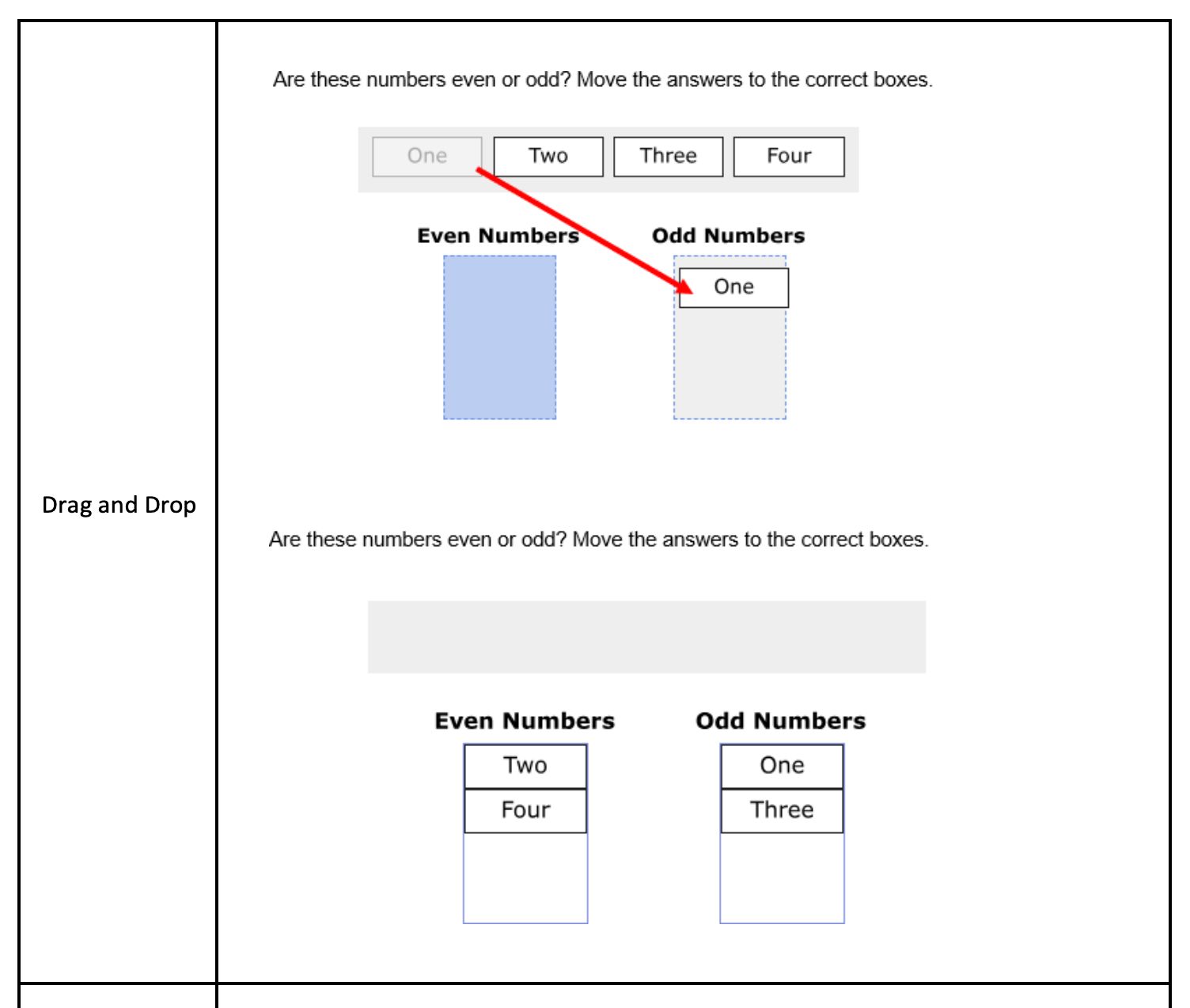
Image By Pearson
Inline Choice (Dropdowns): You pick the correct word, number, or phrase from a small list inside a sentence or math problem.
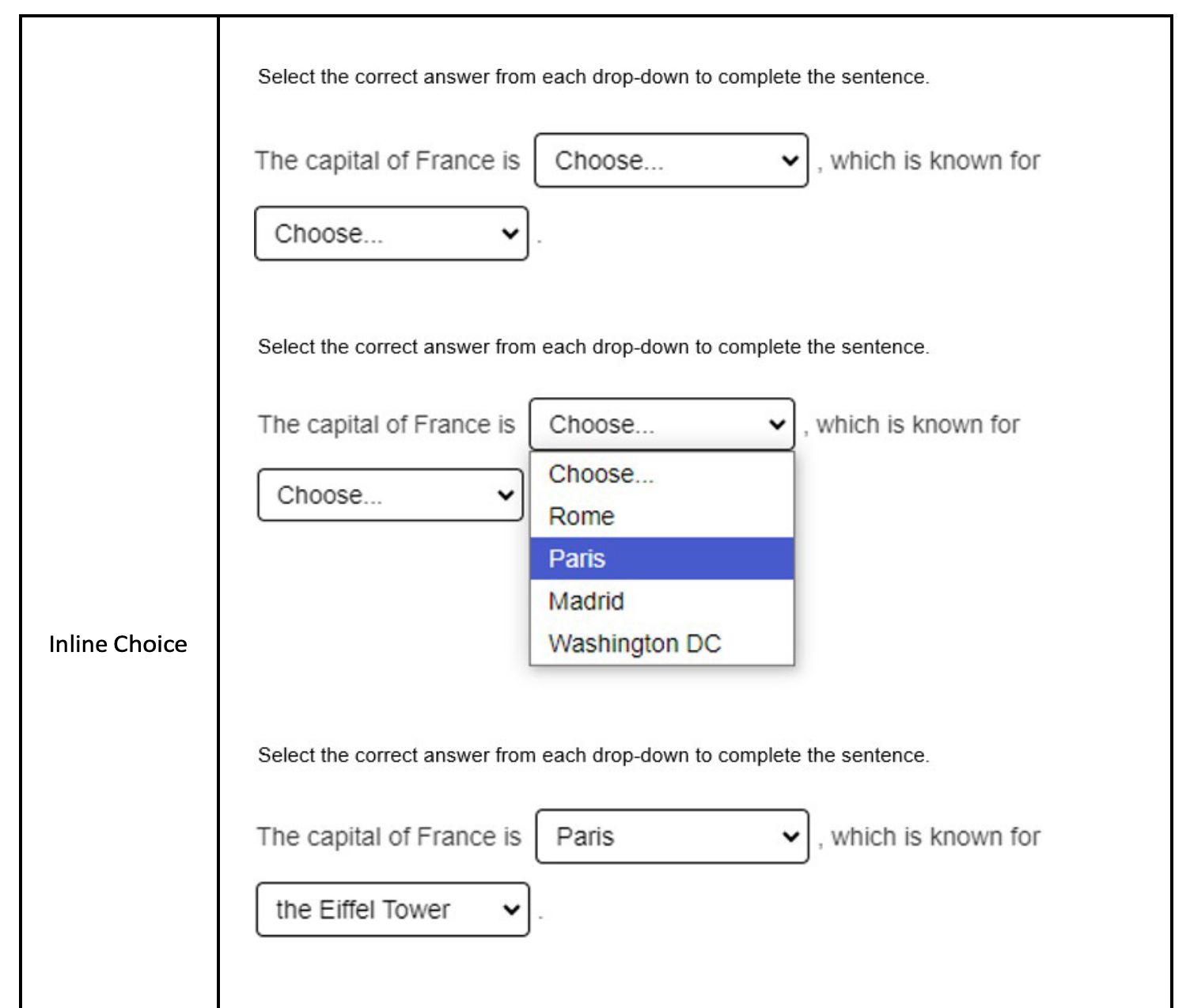
Image By Pearson
Graphing / Interactive Figures: You place points, draw lines, or move shapes on a graph or coordinate grid.
Hot Spot / Highlighting: You click on the correct part of a picture, graph, or text to show your answer.
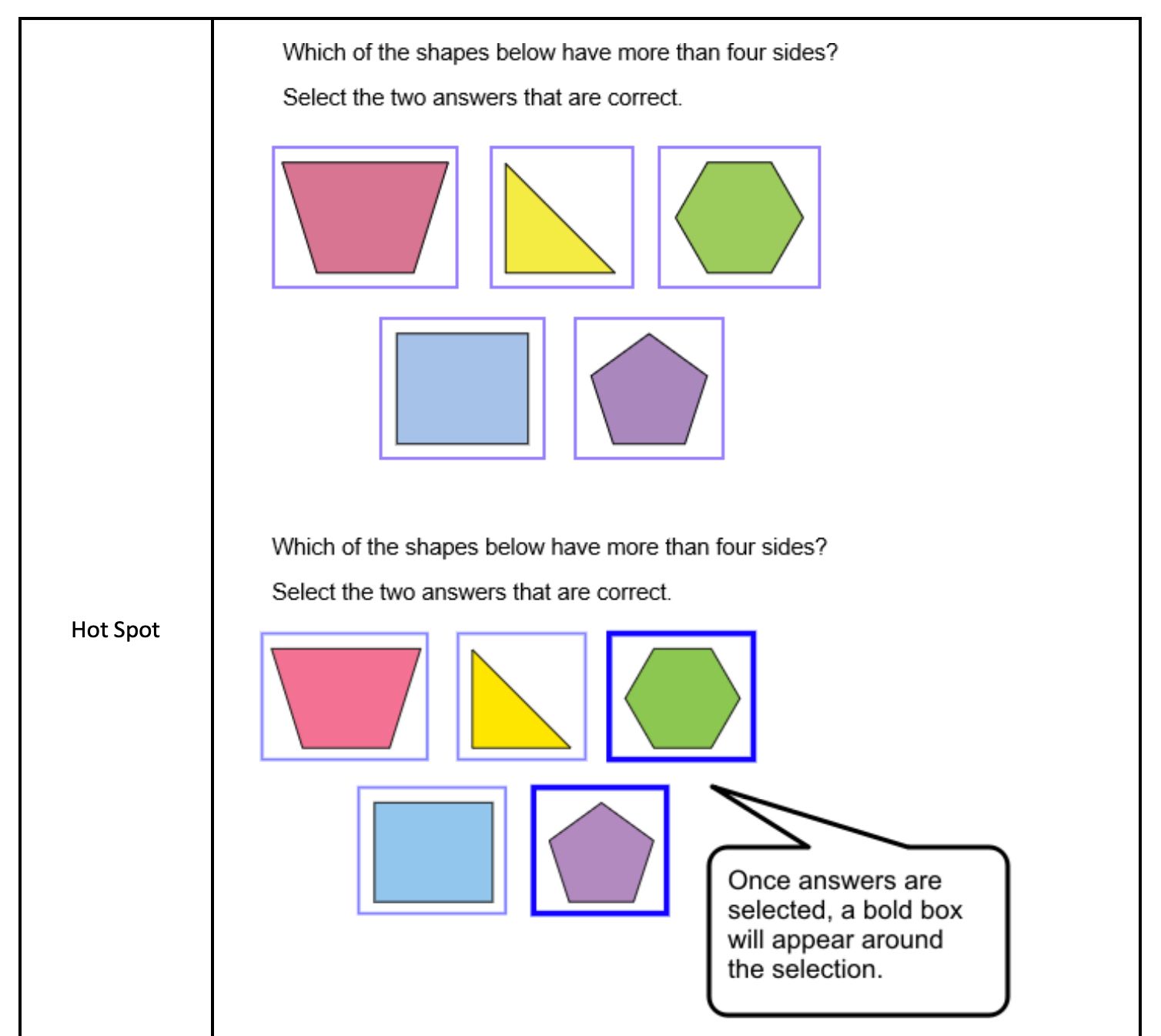
Image By Pearson
Equation Editor / Number Pad: You type your answer using numbers or math symbols, such as exponents or algebra expressions.
Multi-Select: You choose more than one correct answer from a list.
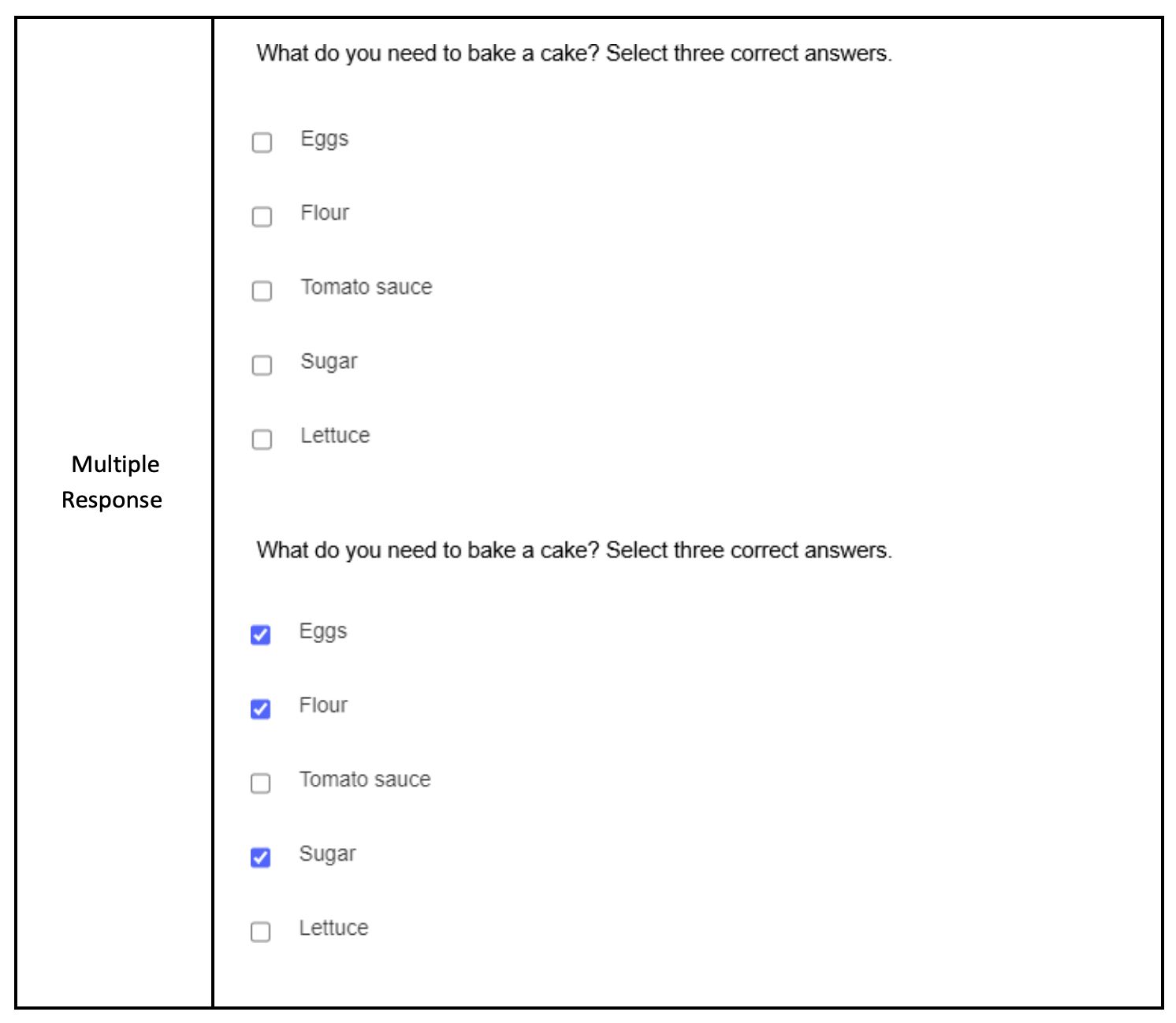
Image By Pearson
Multipart Questions: A question has two or more connected parts, and your answers must match or work together.
This is why paper-only practice is no longer sufficient. Effective preparation must include computer-based practice, so students become comfortable reading on screen, using a mouse efficiently, and managing time digitally. Digital fluency is now part of readiness. Take a look at the complete list of TEI Type questions that could help you prepare for test day.
How is the SHSAT ELA Section Changing?
The ELA section continues to focus heavily on reading comprehension, but grammar and revision skills are playing a more prominent role under the SHSAT 2026 changes.
Students are expected to understand subject-verb agreement, pronoun reference, dangling modifiers, sentence clarity, logical transitions, and paragraph organization. Many middle schools do not explicitly teach advanced grammar, which means strong students may still have gaps that only surface during SHSAT preparation.
Reading passages include complex nonfiction texts, informational writing, and poetry predating the postmodernist movement (think of poetry from the American Romantics, for example–the latest literary movement you’d see is the Modernist movement). Rather than asking only for the main idea, questions often require students to identify the most effective revision or determine which evidence best supports an argument. The emphasis is on reasoning and analysis.
To prepare effectively, students should combine explicit grammar review with consistent exposure to complex nonfiction reading. Regular reading builds vocabulary, strengthens sentence intuition, and increases stamina, all of which support performance across ELA tasks.
What is Changing in SHSAT Math?
The math section still covers arithmetic, algebra, geometry, ratios, and percentages, and it continues to account for half of the total score. However, recent administrations have emphasized multi-step reasoning and careful interpretation.
Students reported noticing consistent test questions involving fractions, proportional reasoning, box-and-whisker plots, stem-and-leaf charts, and shaded regions. One particularly challenging type involves shapes inside shapes, such as finding the area remaining after subtracting a smaller circle from a larger one. These problems require the correct use of formulas, careful setup, and multi-step thinking.
Under the adaptive format, the math strategy must evolve. Students cannot skip a challenging problem and revisit it. They must process it carefully and commit to an answer before moving on. Foundational fluency, especially with fractions, ratios, and algebraic translation, becomes essential. Accuracy drives adaptive progression.
Why Do High-Achieving Students Sometimes Struggle on the SHSAT?
One common misconception is that straight-A students will automatically perform well. In reality, doing well in school and performing well on standardized tests may overlap, but they are different skills.
In school, students are rewarded for showing their work, following instructions precisely, and mastering the material taught. The SHSAT rewards strategic thinking, efficient reasoning, and flexibility with unfamiliar formats. Some high-performing students struggle because they have not yet developed test-specific strategies.
Understanding this distinction is empowering. Once students adjust their approach, improvement is often significant.
When Should Students Start Preparing for SHSAT 2026?
Waiting until the fall of eighth grade creates unnecessary pressure. An early diagnostic assessment, ideally during seventh grade, provides clarity about strengths and weaknesses. It reveals whether challenges stem from gaps in grammar, math fluency issues, timing concerns, or digital unfamiliarity.
Starting early does not mean creating stress. It means building skills gradually and confidently. Early preparation allows students to strengthen their foundations rather than cramming under pressure.
What Is the Best Ongoing SHSAT Prep Strategy?
Beyond formal preparation, one habit consistently strengthens performance: regular reading of complex material. Much of the SHSAT, including the math section, requires careful reading and interpretation. Word problems demand precise comprehension, and subtle wording differences can change outcomes.
Students who read widely develop faster comprehension, stronger vocabulary, and improved analytical thinking. These skills support both ELA and math sections.
Final Thoughts on the SHSAT Exam Update
The SHSAT 2026 changes represent a shift in format, not an impossible leap in difficulty. The content remains grounded in middle school math and ELA standards. What has changed is how students interact with the test and how their answers influence their progression.
Families who align preparation with the current SHSAT exam update, practice digitally, strengthen grammar knowledge, and build multi-step math fluency will be well prepared. With thoughtful planning and consistent practice, students can approach the updated exam with confidence.
Preparation is no longer about memorizing shortcuts for an outdated format. It’s about building the skills that the adaptive SHSAT now measures, carefully, accurately, and strategically.
While you can study for the SHSAT on your own, many families choose to work with a dedicated tutor. At Ivy Tutors Network, we have several options for students and families to choose from:
- Work with a dedicated tutor. You can use our “Find a Tutor” feature, or schedule a call to get matched with someone who fits your needs and availability.
- Take our SHSAT Boost Course. SHSAT Boost combines all Ivy Tutors Network’s recommendations for SHSAT prep - regular mock exams, daily practice - with the live class model our Head of Test prep has been using effectively for years with her SAT students. Live classes (with recordings) allow customization for each student and each group, ensuring consistent, tailored progress. See how it works.
Do both! SHSAT Boost can be combined with 1-on-1 tutoring for the best of both worlds. Choose that option at checkout.